Altamash dental students get hands-on RPD surveying training

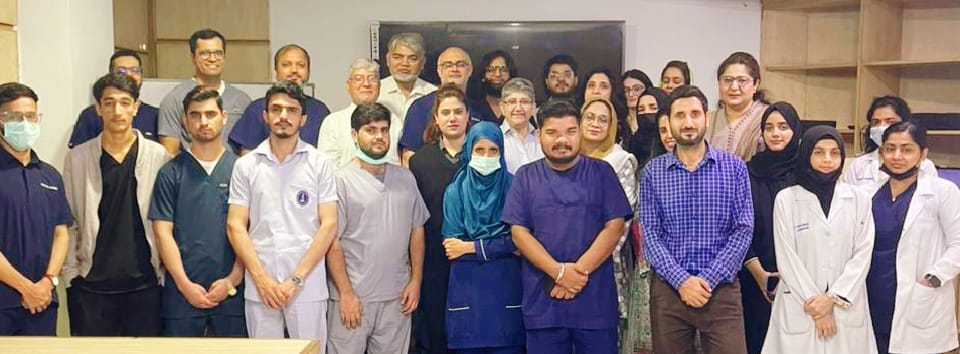
Final-year BDS students at Altamash Institute of Dental Medicine received hands-on training in dental surveying as the Department of Prosthodontics conducted a workshop aimed at translating classroom concepts into practical skills required for removable partial denture treatment planning.

The Dental Surveying Workshop focused on one of the fundamental areas of prosthodontics: understanding how dental casts are surveyed to support the diagnosis, design and fabrication of Removable Partial Dentures (RPDs).

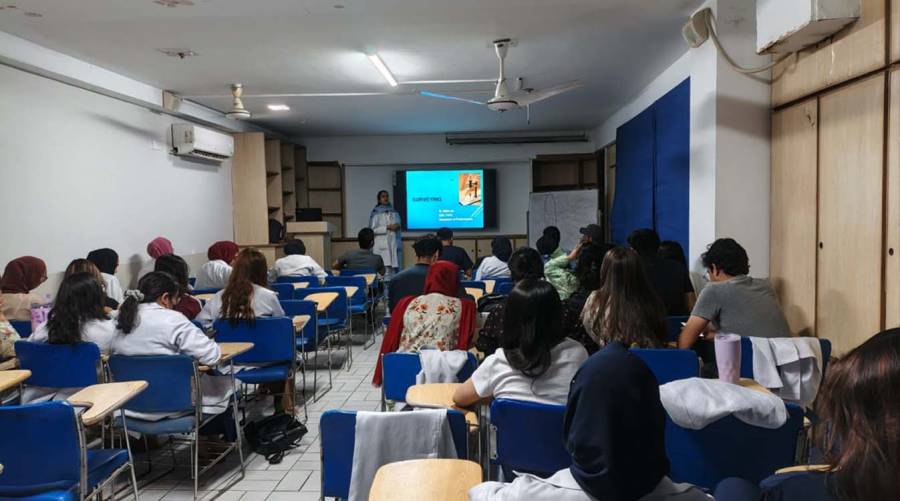
Rather than limiting the activity to theoretical instruction, the workshop combined an interactive academic session with practical training using a dental surveyor, allowing students to apply key surveying principles themselves.

The exercise was intended to strengthen students’ understanding of how apparently technical concepts such as undercuts, survey lines, height of contour and path of insertion directly influence the design and clinical success of an RPD.

Why dental surveying matters in RPD planning

Dental surveying plays an important role in removable partial denture design because the position and contours of remaining teeth can influence how a prosthesis is inserted, retained and removed.

During the workshop, students were introduced to the principles and objectives of surveying and the role the procedure plays in prosthodontic diagnosis and treatment planning.

The interactive lecture covered the components of a dental surveyor, types of surveyors, survey lines, undercuts, path of insertion and removal, height of contour and tripodization.

These concepts are essential when assessing diagnostic casts and determining how an RPD should be designed in relation to the patient’s remaining teeth and oral structures.

The session also highlighted how surveying can help identify favourable and unfavourable tooth contours before an RPD design is finalised.

Students move from lecture to hands-on surveying
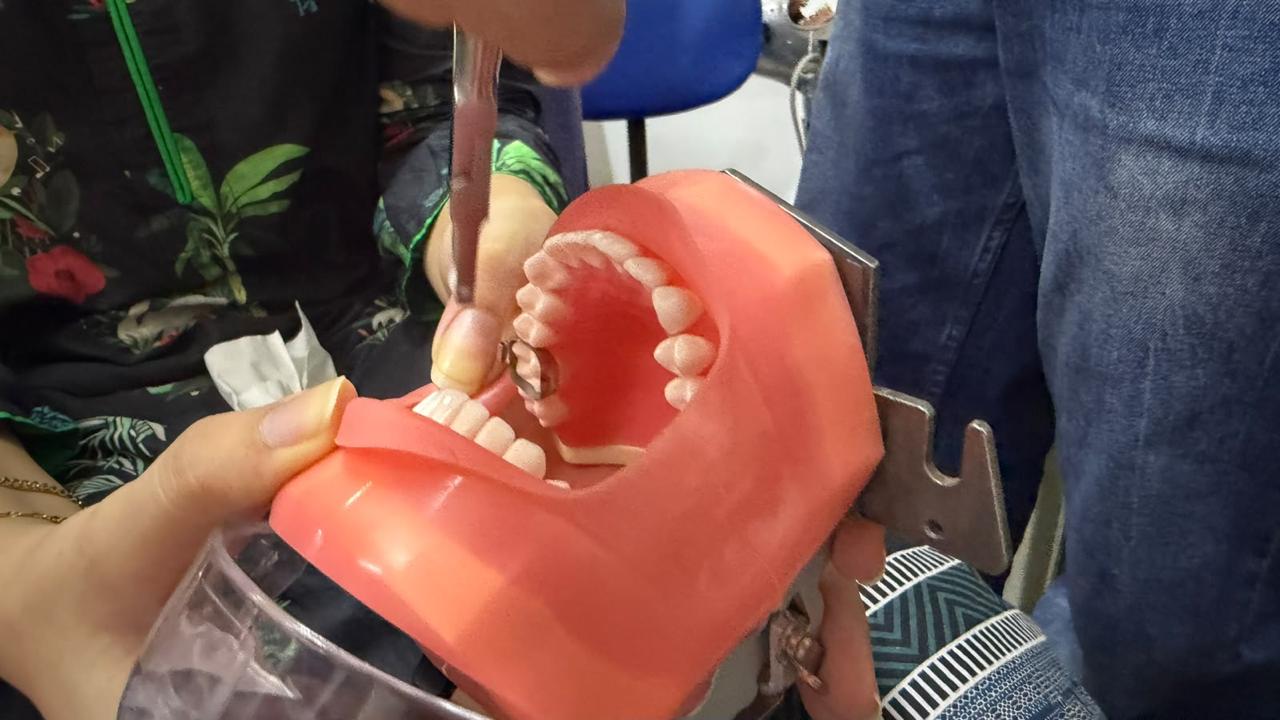
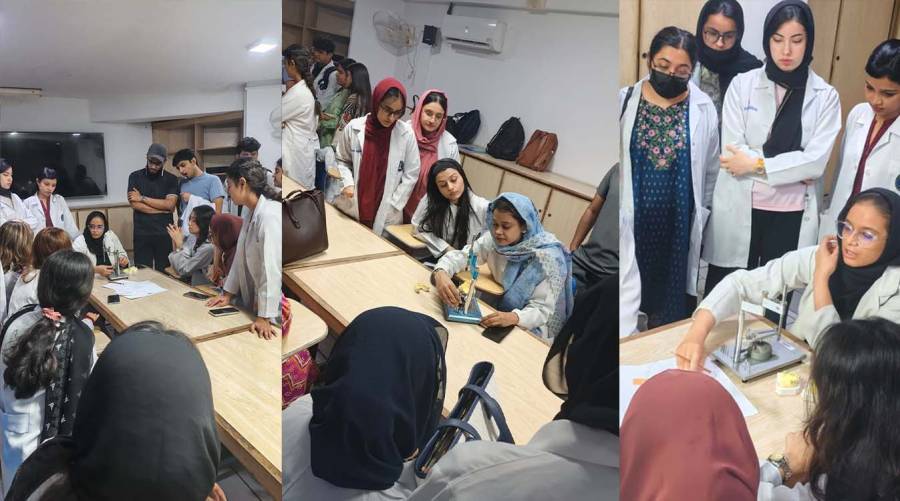
The practical component gave students an opportunity to work directly with the William Surveyor.

Under supervision, the final-year BDS students performed surveying procedures themselves and explored how theoretical principles are applied during prosthodontic planning.

The practical exercises included identifying the path of insertion, analysing undercuts, determining the height of contour and applying surveying principles during the planning of removable partial dentures.

This hands-on component was designed to give students greater familiarity with the equipment and help them understand the clinical reasoning behind decisions made during RPD design.

For undergraduate dental students preparing for clinical practice, such exercises can be particularly important because successful removable prosthodontic treatment depends not only on knowing the principles but also on recognising how they apply to an individual cast and treatment plan.

Interactive format helps students clarify concepts
The workshop was structured to encourage interaction between students and instructors.

Participants were able to ask questions, clarify areas of difficulty and work through surveying procedures during the practical session.

The Department of Prosthodontics said the activity was aimed at bridging the gap between theoretical learning and clinical application — an issue of particular importance in the later years of undergraduate dental education, when students increasingly move from classroom-based learning towards patient-centred treatment planning.

The workshop also sought to improve students’ confidence in interpreting dental casts and using surveying findings when designing removable partial dentures.

Senior faculty and prosthodontic team lead training
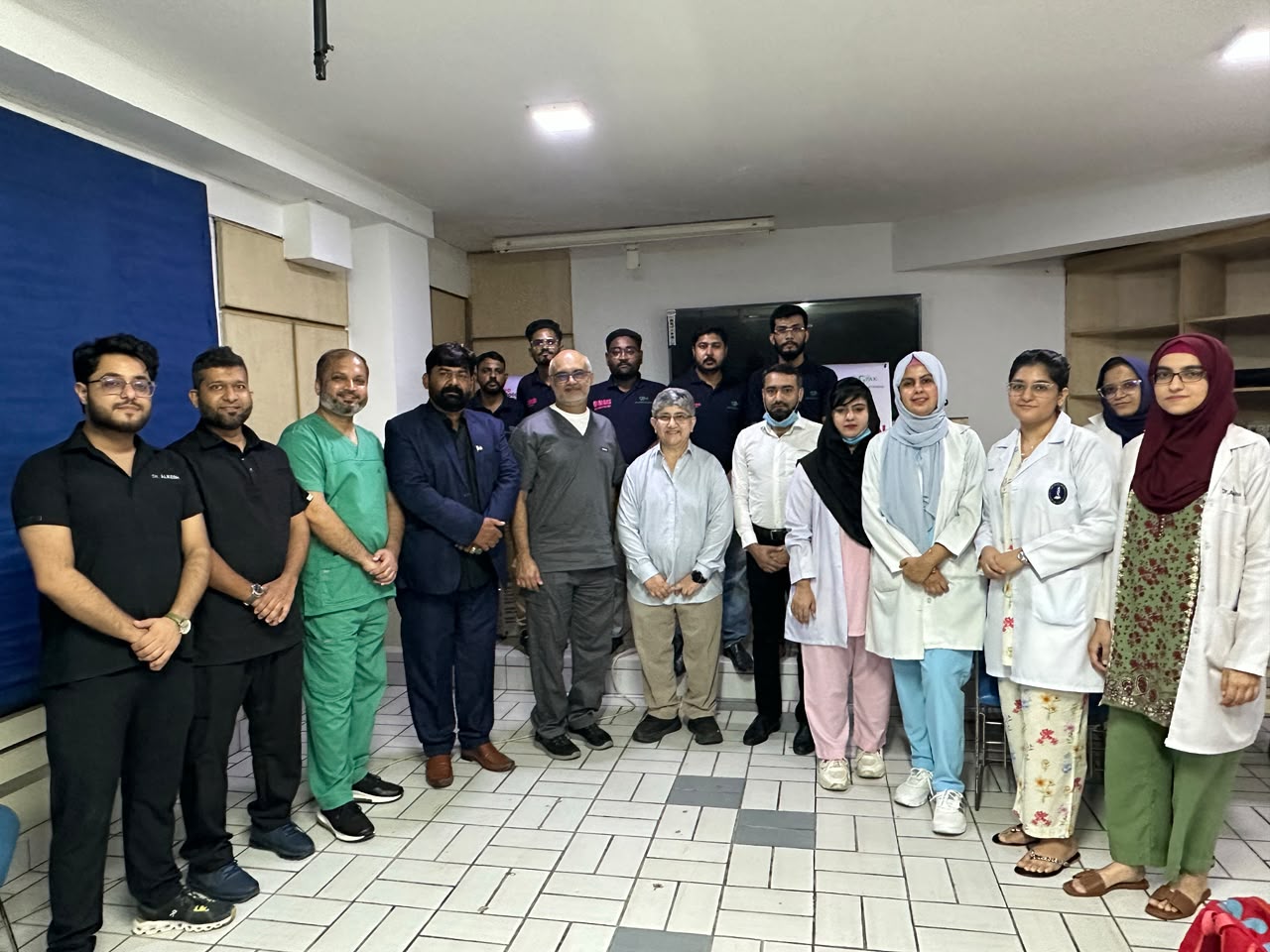
The workshop was conducted under the guidance and supervision of Professor Dr. Naseer Ahmed, Head of the Department of Prosthodontics, Altamash Institute of Dental Medicine.

He was joined by Dr. Aiman Yaseen, Prosthodontics Resident; Dr. Wajiha Zia, Prosthodontics Resident; Dr. Alkesh Kammal, Prosthodontics Resident; and Dr. Komal Malik, Lecturer in Prosthodontics.

The instructors guided students through both the academic concepts and practical steps involved in dental surveying.

Their involvement allowed students to receive direct supervision while carrying out procedures on the surveyor and to connect individual technical steps with broader RPD treatment-planning principles.

Building practical confidence before clinical application
The Department of Prosthodontics said hands-on academic activities such as the surveying workshop are intended to strengthen clinical reasoning, practical competence and confidence among undergraduate dental students.

For final-year BDS students, the training provides an opportunity to consolidate concepts they are expected to use during removable prosthodontic diagnosis and treatment planning.

The workshop therefore extended beyond learning how to operate a dental surveyor.

By requiring students to identify paths of insertion, evaluate undercuts, determine height of contour and apply these findings to RPD design, the session sought to develop the decision-making skills needed to translate prosthodontic theory into clinical practice.

The Department of Prosthodontics at Altamash Institute of Dental Medicine appreciated the instructors and students for their participation and contribution to the workshop.

The activity reflected the department’s emphasis on practical learning and on preparing undergraduate dental students to apply prosthodontic principles more confidently as they progress towards independent clinical practice.

Student Leadership Global Oral Health Program 2027 in the USA

Proud moment for Altamash Institute of Dental Medicine (AIDM)! 🎉

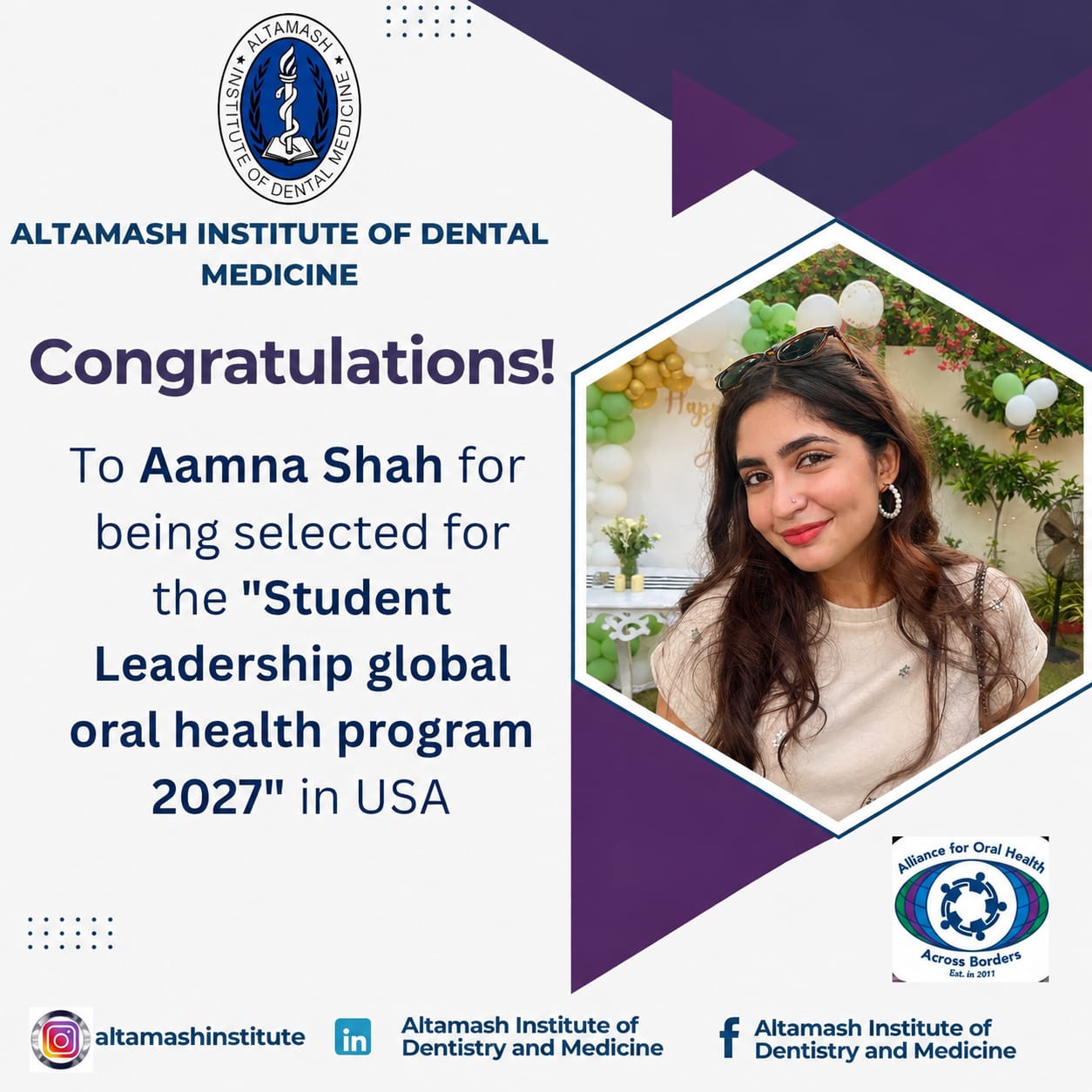
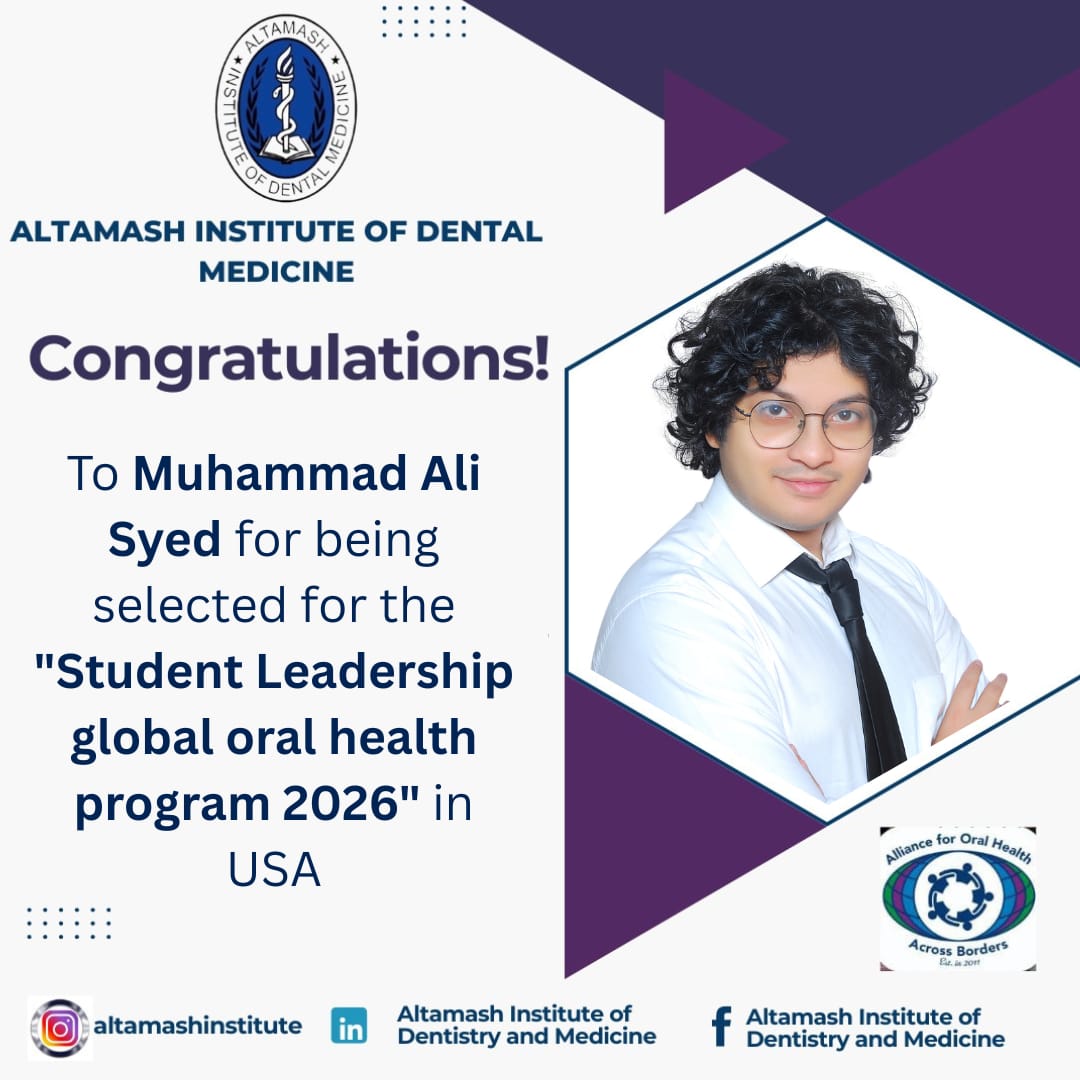
Heartiest congratulations to Muhammad Imran Abid, a recent AIDM graduate, and Aamna Shah, Final Year BDS student, on their selection for the Student Leadership Global Oral Health Program 2027 in the USA.

We wish them both every success as they represent AIDM on this international platform and continue to grow as future leaders in oral healthcare.

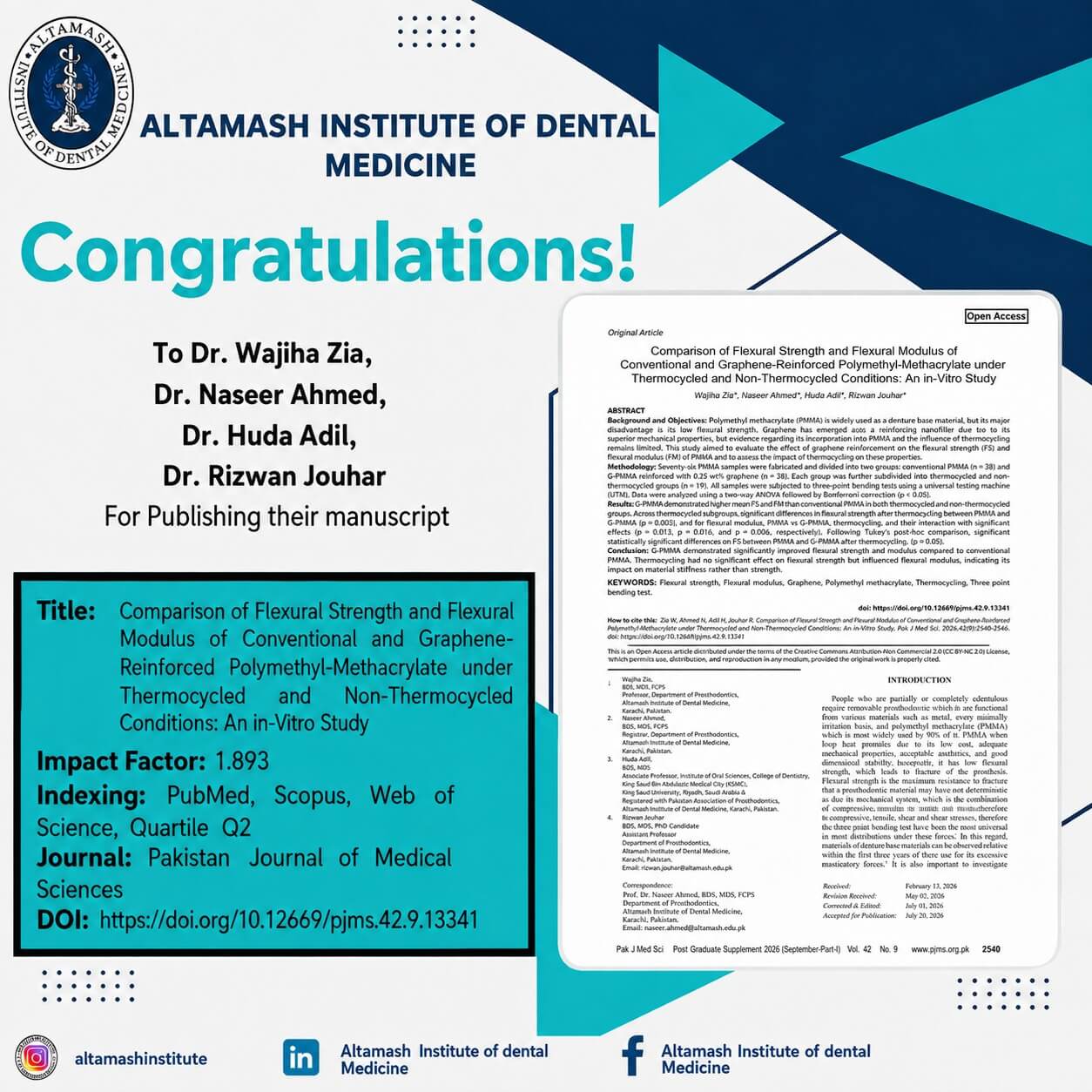
Comparison of Flexural Strength and Flexural Modulus of Conventional and Graphene-Reinforced Polymethyl-Methacrylate under Thermocycled and Non-Thermocycled Conditions: An in-Vitro Study

Authors: Wajiha Zia, Naseer Ahmed, Huda Adil, Rizwan Jouhar

Journal: Pakistan Journal of Medical Sciences (Pak J Med Sci) — 2026, Vol. 42, No. 9

DOI: https://doi.org/10.12669/pjms.42.9.13341

Impact Factor: 1.893
Indexing: PubMed, Scopus, Web of Science, Quartile Q2

Description / Abstract:

Background and Objectives: Polymethyl methacrylate (PMMA) is widely used as a denture base material, but its major drawback is low flexural strength. Graphene has emerged as a reinforcing nanofiller due to its superior mechanical properties, but evidence on its incorporation into PMMA and the effect of thermocycling remains limited. This study aimed to evaluate the effect of graphene reinforcement on the flexural strength (FS) and flexural modulus (FM) of PMMA and to assess the impact of thermocycling on these properties.

Methodology: Seventy-six PMMA samples were fabricated and divided into two groups: conventional PMMA (n = 38) and G-PMMA reinforced with 0.25 wt% graphene (n = 38). Each group was further subdivided into thermocycled and non-thermocycled subgroups (n = 19). All samples were subjected to three-point bending tests using a universal testing machine (UTM). Data were analyzed using a two-way ANOVA followed by Bonferroni correction (p < 0.05).

Results: G-PMMA demonstrated higher mean FS and FM than conventional PMMA in both thermocycled and non-thermocycled groups. Across thermocycled subgroups, significant differences in flexural strength between PMMA and G-PMMA were found (p = 0.005), and for flexural modulus, PMMA vs G-PMMA, thermocycling, and their interaction showed significant effects (p = 0.013, p = 0.016, and p = 0.006, respectively). Following Tukey’s post-hoc comparison, significant statistically significant differences on FS between PMMA and G-PMMA after thermocycling (p < 0.05).

Conclusion: G-PMMA demonstrated significantly improved flexural strength and modulus compared to conventional PMMA. Thermocycling had no significant effect on flexural strength but influenced flexural modulus, indicating its impact on material stiffness rather than strength.

Keywords: Flexural strength, Flexural modulus, Graphene, Polymethyl methacrylate, Thermocycling, Three point bending test.

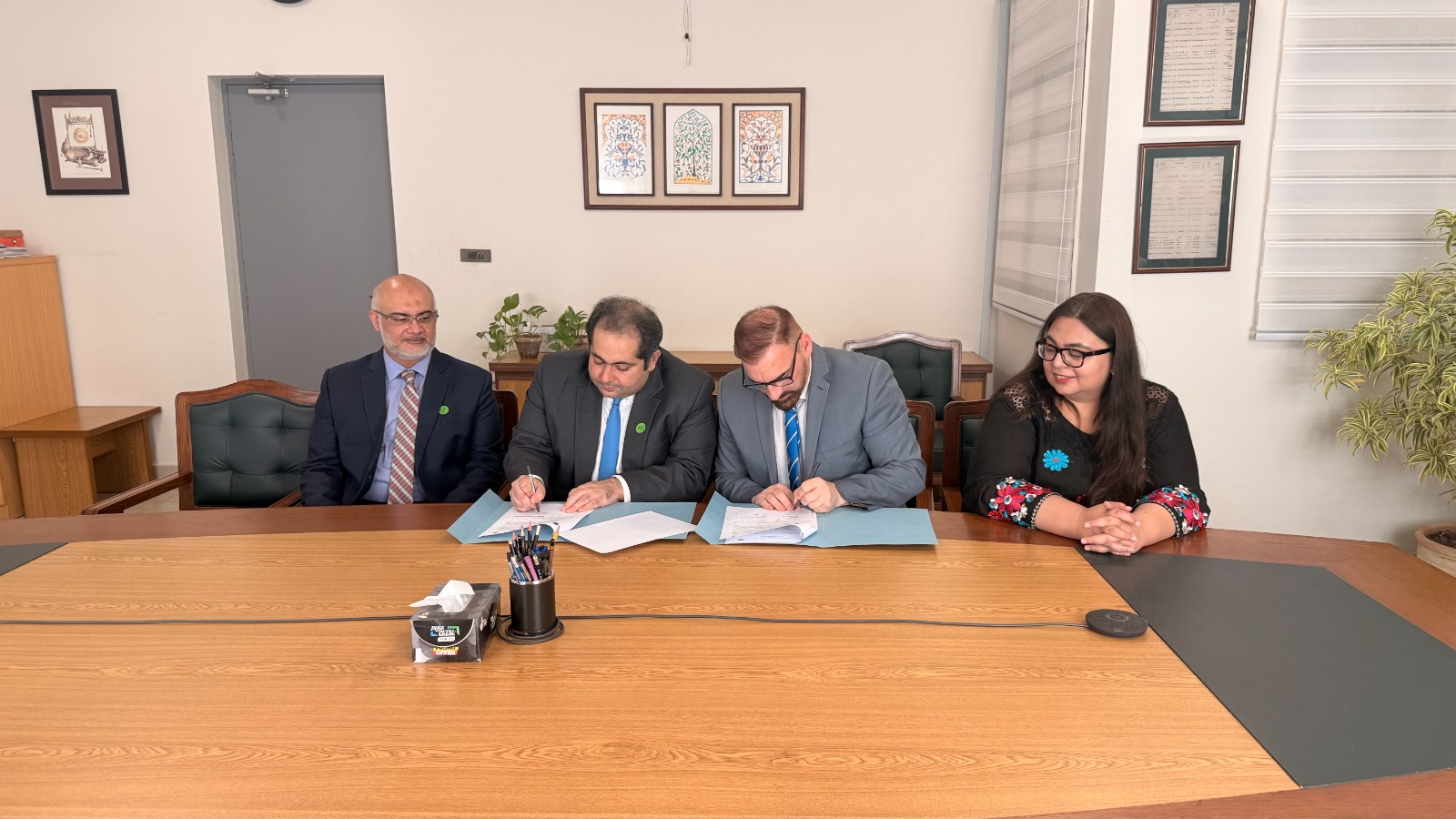
Altamash Institute Signs MoU with Karachi Grammar School to Advance Education and Healthcare Collaboration

Alhamdulillah! Today marks a proud milestone as we successfully signed an MoU with Karachi Grammar School.

We are deeply grateful to the Principal AIDM, *Prof. Dr. Hasnain Sakrani, and **Dr. Carl Lander*, Principal of Karachi Grammar School, for their support and commitment to academic and healthcare collaboration.

Special appreciation to *Dr. Imad Altamash*, CEO of Altamash General Hospital, for his leadership and dedication to advancing education and healthcare partnerships.

We also acknowledge the continuous encouragement of *Dr. Shaheena Altamash* and extend our sincere gratitude to *Prof. Dr. Muhammad Altamash*, President of AIDM, whose vision and guidance have been instrumental in making this collaboration possible.

This MoU reflects our shared commitment to fostering education, innovation, and community development. Looking forward to meaningful initiatives ahead.

Dental Surgery Assistant program

The Dental Surgery Assistant (DSA) Program at Altamash Institute of Dental Medicine (AIDM) was officially launched on 10th February 2026, with regular classes commencing on 17th February 2026. This program represents an important step toward strengthening the dental auxiliary workforce and enhancing the quality of clinical support in dental healthcare.

The initiative is being led by Dr. Zia Abbas, Director of the Dental Auxiliary Program, whose efforts have been instrumental in developing and implementing this training program. The launch of the program was strongly supported by the leadership of Prof. Dr. Hasnain Sakrani, Principal AIDM, and Prof. Dr. Naseer Ahmed, Vice Principal AIDM. Academic oversight and educational quality guidance were provided by Dr. Shaur Sarfaraz, Director Medical Education and QEC.

The establishment of the program reflects the visionary leadership and commitment of the President of AIDM, Prof. Dr. Muhammad Altamash, whose wisdom, leadership, and forward-looking vision continue to guide the institute toward excellence in dental education and healthcare training.

Workshop Under the Umbrella of College of Physicians and Surgeons Pakistan

A pre-conference workshop under the umbrella of College of Physicians and Surgeons Pakistan (CPSP) IMECON was successfully conducted on 20th January at the Defence Campus of Altamash Institute of Dental Medicine (AIDM).
The workshop, facilitated by Dr. Shaur Sarfaraz and Dr. Rubab Ali Hashim, focused on “Gen Z Well-Being: Faculty Perceptions and Educational Strategies.” The session explored the evolving psychosocial needs, learning preferences, and well-being concerns of Generation Z learners within health professions education. The workshop emphasized the importance of adapting teaching methodologies, assessment strategies, and mentorship approaches to create psychologically safe and supportive learning environments.

An elegant Alumni and Faculty Dinner with Musical Night

An elegant Alumni and Faculty Dinner with Musical Night was hosted at Altamash Institute of Dental Medicine (AIDM), bringing together alumni, faculty members, and institutional leadership in a spirit of celebration.
The evening served as a platform to strengthen professional bonds, reconnect graduates with their alma mater, and acknowledge the collective achievements of the AIDM community. Alumni shared their professional journeys and experiences, reflecting the institute’s growing impact in the field of dentistry.
A highlight of the event was a captivating live musical performance by renowned singer Mohammad Zubair, whose soulful renditions added warmth and vibrancy to the evening. The event reaffirmed AIDM’s commitment to maintaining strong alumni relations and nurturing a supportive academic community beyond graduation.

CHPE Batch 4 Commences at Altamash Institute of Dental Medicine

CHPE Batch 4 Commences at Altamash Institute of Dental Medicine
The Certificate in Health Professions Education (CHPE) Batch 4 has officially commenced at Altamash Institute of Dental Medicine, marking another milestone in the institute’s commitment to academic excellence and faculty development.
This new cohort comprises 18 enthusiastic participants, including dental, medical and nursing faculty members dedicated to enhancing their teaching competencies and educational leadership skills. Through structured modules, interactive workshops, and scholarly activities, the program aims to cultivate reflective educators capable of contributing to quality improvement in health professional’s education.